
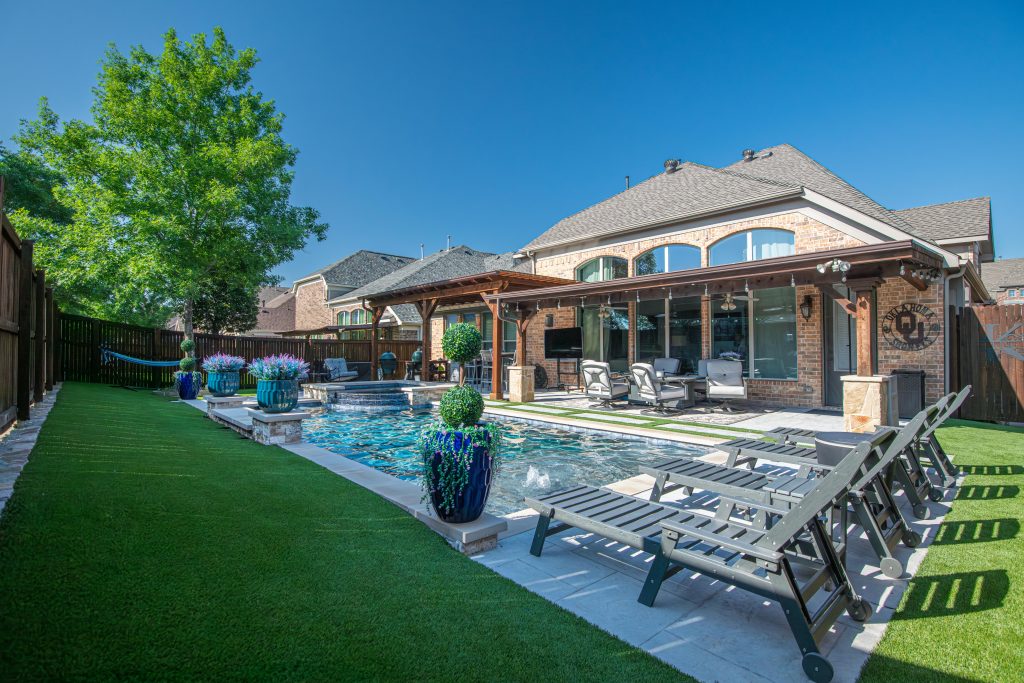
Dwelling Coverage
Pays to repair or rebuild your home if it’s damaged by a covered peril such as wind, hail, fire, or theft. This should reflect your home’s replacement cost, not just its market value.
Other Structures
Covers detached buildings like garages, sheds, and fences. Typically set at 10% of your dwelling coverage, though it can be adjusted.
Personal Property
Protects the contents of your home — furniture, electronics, clothing, and more — if they’re damaged or stolen. Some high-value items (like jewelry or collectibles) may need separate endorsements for full protection.
Liability Coverage
Provides protection if someone is injured on your property or if you cause damage to someone else’s property. Most policies start at $100,000, but many experts recommend at least $300,000 or more to safeguard assets.
Loss of Use (Additional Living Expenses)
Pays for temporary housing and living expenses if your home is uninhabitable after a covered claim. This ensures you can maintain your lifestyle while repairs are made.
Medical Payments to Others
Covers minor medical expenses for guests injured on your property, regardless of fault.
👉 These coverages form the foundation of a Texas home insurance policy, but each comes with its own limits, deductibles, and exclusions. That’s why understanding how they apply in real-world situations is so important before choosing your coverage.
📊 Texas Home Insurance Coverage Comparison
| Coverage Type | Standard Coverage | Recommended Coverage | Why It Matters |
|---|---|---|---|
| Dwelling (House) | Coverage based on lender minimums; may not reflect full rebuild cost | Coverage equal to 100% of replacement cost | Ensures you can fully rebuild after major damage; rising property values make this critical. |
| Other Structures | 10% of dwelling coverage | Adjust to reflect actual value of sheds, fences, garages, etc. | Prevents underinsurance of detached buildings. |
| Personal Property | 50–70% of dwelling coverage; often Actual Cash Value (ACV) | Opt for Replacement Cost Value (RCV) and add endorsements for high-value items | RCV avoids depreciation, ensuring you can actually replace belongings. |
| Liability | $100,000 (policy minimum) | $300,000–$500,000+ (consider an umbrella policy if you own significant assets) | Protects current assets and future wages if someone sues after injury or property damage. |
| Loss of Use (ALE) | 20% of dwelling coverage | Increase if higher living expenses expected | Covers hotels, rentals, food, and essentials if your home is unlivable after a claim. |
| Medical Payments to Others | $1,000–$5,000 | Increase if you host gatherings frequently | Helps cover guest injuries without liability claims. |
| Wind & Hail Deductible | Often 1–2% of dwelling coverage | Choose carefully based on budget and risk tolerance | In Texas, this can mean thousands out of pocket per claim. |
1. Wind and Hail Storm Frequency
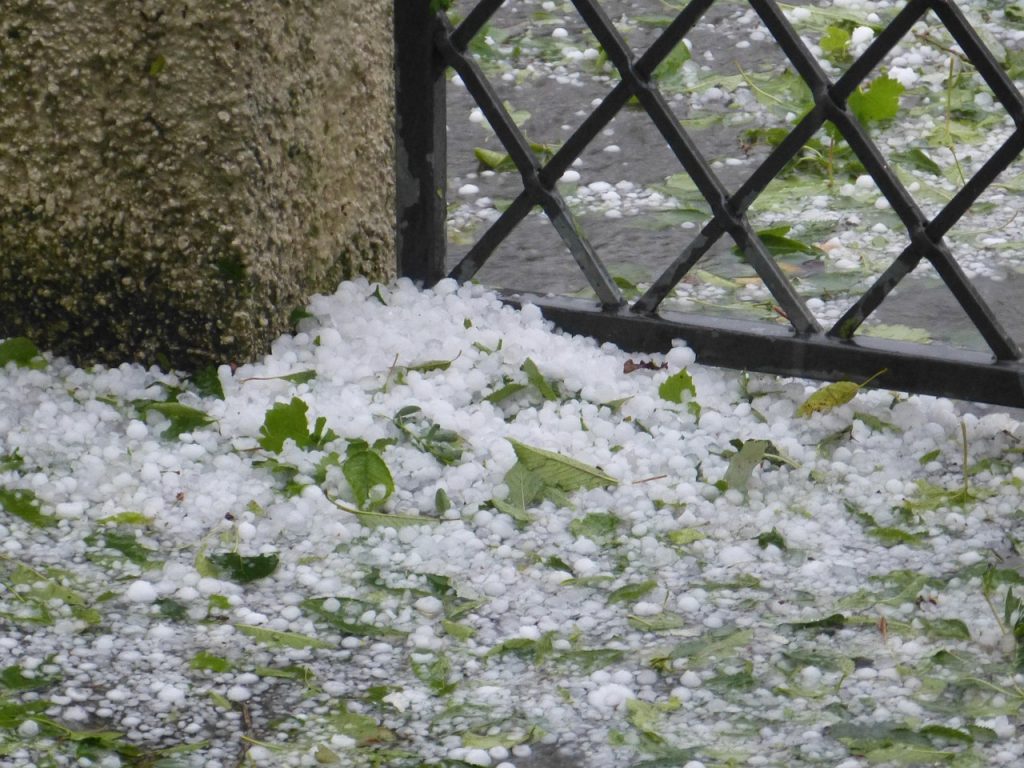
Texas leads the nation in wind and hail claims, and insurers structure policies with this in mind. Roof damage from hail is one of the most common and costly claims.
2. Texas Roof Coverage – Roof Payment Schedules vs. Replacement Cost Coverage
In many states, roofs are automatically covered at Replacement Cost Value (RCV) — meaning your insurer pays the full cost to replace a damaged roof (minus your deductible).
But in Texas, insurers often use Roof Payment Schedules (RPS) or Actual Cash Value (ACV) for older roofs. This means depreciation is applied based on the roof’s age, and you may only get a fraction of the replacement cost.
👉 Example: If your 15-year-old roof costs $20,000 to replace, and your insurer values it at 40% of new, you’d only get $8,000 (minus deductible). Without replacement cost coverage, homeowners often face huge out-of-pocket expenses.
3. Percentage-Based Deductibles
Instead of flat deductibles (like $1,000), many Texas policies use percentage-based deductibles tied to your home’s insured value.
- Example: A 2% deductible on a $300,000 home = $6,000 out-of-pocket per claim.
This can be a surprise to homeowners and should be planned for carefully.
4. Foundation Concerns
Texas soil expands and contracts with weather patterns, making foundation damage a common worry. Most policies don’t automatically cover foundation issues unless caused by a specific covered peril (like a water leak). Adding endorsements may be necessary for peace of mind.
5. Rising Property Values
Home prices and construction costs in Texas continue to rise. If coverage isn’t regularly updated, you may be underinsured — leaving you without enough funds to rebuild after a total loss.
👉 Understanding these unique challenges — especially how your roof is covered — is critical. At Blue Oak Insurance, we break down these details and connect you with agents who can make sure your policy fits Texas-specific risks.

1. Replacement Cost vs. Actual Cash Value (ACV)
- Replacement Cost (RCV): Pays the full amount to rebuild or replace damaged property, minus your deductible.
- ACV (or Roof Payment Schedules): Factors in depreciation, often leaving you with far less than the cost of repairs.
👉 Whenever possible, choose replacement cost coverage, especially for roofs and personal property.
2. Percentage-Based Deductibles
Many Texas policies use a deductible based on a percentage of your home’s insured value (often 1–2%). On a $300,000 home, a 2% deductible means you’d owe $6,000 out of pocket before insurance kicks in. Understand what this means for your budget.
3. Flood Insurance is Not Included
Standard home insurance policies do not cover flood damage. In Texas, heavy rains, hurricanes, and flash floods make separate flood insurance an important consideration — even if your lender doesn’t require it.
4. Common Exclusions
Wear and tear, neglect, and certain types of water damage (like slow leaks) are usually not covered. Knowing what’s excluded helps you plan ahead and avoid costly surprises.
5. Keep Coverage Aligned With Home Value
Rising property values and construction costs can outpace your policy’s dwelling limit. Review your coverage regularly to ensure you have enough to rebuild completely if disaster strikes.
6. Bundling Can Save You Money
Many insurers offer discounts when you bundle home + auto or add other policies. Bundling not only reduces cost but can also simplify claims handling.
👉 By understanding these details, Texas homeowners can position themselves for smarter coverage choices — protection that matches real-world risks without unnecessary gaps.
FAQs About Texas Home Insurance
Explore More Resources
This page covers the essentials of Texas home insurance, but there’s always more to learn. At Blue Oak Insurance, we’ve built additional guides to help you dive deeper into topics like Texas roof coverage, deductibles, and storm risks, so you can make smarter coverage choices with confidence.
👉 Check out these resources:
- 🏠 Articles & Guides – Explore our full library of insurance articles.
- 🛡️ Understanding Roof Coverage in Texas (link to article)
- 💵 How Percentage-Based Deductibles Affect Homeowners (link to article)
- 🌩️ Learn more from the Texas Department of Insurance about homeowners insurance requirements.
- ⚠️ Check your property’s risk level using the FEMA Flood Map Service Center
✅ Ready for Personalized Guidance?
Protecting your home in Texas comes with unique challenges — from wind and hail storms to roof coverage schedules and high deductibles. After reviewing our resources, you may want to see what coverage looks like for your specific situation. That’s where we can help.
At Blue Oak Insurance, we’ll connect you with a trusted local agent who can review your policy, explain your options, and provide a free, no-obligation quote. You’ll get peace of mind knowing your coverage fits your home — without the hassle of spam or telemarketer calls.