

Minimum Liability Coverage in Texas
- Bodily Injury Liability: $30,000 per person / $60,000 per accident
- Property Damage Liability: $25,000 per accident
👉 This is often written as 30/60/25.
While this meets state requirements, most homeowners and financial experts recommend carrying at least 100/300/100 in liability limits to better protect your assets in case of a serious accident.
Collision Coverage
Covers damage to your own vehicle if you’re in an accident, regardless of who is at fault. This includes crashes with another car, a stationary object, or a rollover.
Comprehensive Coverage
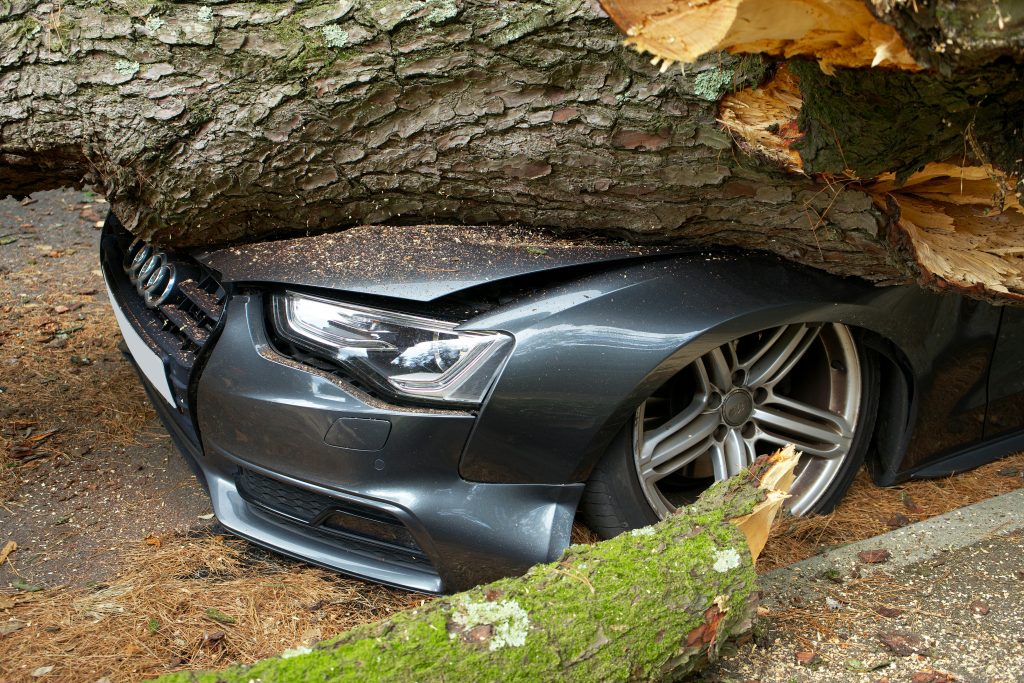
Pays for damage to your vehicle caused by events other than a collision — such as hail, floods, theft, vandalism, or falling objects. In Texas, where storms and natural disasters are common, comprehensive coverage is especially valuable.
Uninsured/Underinsured Motorist Coverage (UM/UIM)
Protects you if you’re hit by a driver who has no insurance or not enough insurance to cover your damages. This is highly recommended in Texas, where uninsured drivers are still common.
Deductibles
The deductible is the amount you pay out of pocket before your insurance kicks in.
- Common choices: $500 or $1,000
- A higher deductible usually lowers your premium but increases your out-of-pocket cost after a claim.
- Choosing the right deductible is about balancing affordability with risk tolerance.
Other Important Coverages to Consider
- Medical Payments / Personal Injury Protection (PIP): Helps pay for medical expenses after an accident, regardless of fault. PIP can also cover lost wages.
- Rental Reimbursement: Covers the cost of a rental car while your vehicle is being repaired after a covered claim.
- Roadside Assistance: Provides towing, jump starts, flat tire changes, and lockout services.
- Gap Coverage: Pays the difference if your car is totaled but you owe more than its actual cash value.
👉 Together, these coverages help Texas drivers build protection that goes beyond the state minimums. Choosing the right combination comes down to your budget, risk exposure, and how much peace of mind you want.
📊 Texas Auto Insurance Coverage Comparison
| Coverage Type | Texas Minimum Requirement | Recommended Coverage | Why It Matters |
|---|---|---|---|
| Bodily Injury Liability | $30,000 per person / $60,000 per accident | $100,000 per person / $300,000 per accident | Protects against medical costs if you injure others in an accident. Higher limits prevent you from paying out of pocket in serious crashes. |
| Property Damage Liability | $25,000 per accident | $100,000 per accident | Covers damage to other vehicles or property. $25k may not fully cover modern vehicles or extensive damage. |
| Collision Coverage | Not required | Optional but highly recommended | Pays for your own car’s repairs after an accident, regardless of fault. |
| Comprehensive Coverage | Not required | Optional but highly recommended | Covers non-collision events (hail, floods, theft, etc.), which are common risks in Texas. |
| Uninsured/Underinsured Motorist | Not required (must decline in writing) | Recommended | Protects you if hit by a driver with no or too little insurance — a frequent issue in Texas. |
| Deductibles | N/A | $500 or $1,000 (common choices) | Determines your out-of-pocket cost. Higher deductibles = lower premiums, but more expense after a claim. |

1. More Types of Perils Than Other States
Texas drivers face hurricanes on the coast, hailstorms across the plains, flooding in low-lying areas, and tornadoes in the north — not to mention heavy traffic in major cities. These risks increase claims, which in turn drive up insurance costs.
2. Rising and Fluctuating Rates
Texas is one of the few states where auto insurance premiums can change frequently. Weather events, accident statistics, repair costs, and even supply chain issues for car parts can all contribute to rate hikes.
3. Credit and Location Matter
In Texas, insurers use factors like your credit score, ZIP code, and driving history to calculate your premium. Living in a high-traffic or storm-prone area can raise rates, even if you’ve never filed a claim.
4. The Need to Shop Regularly
Because of these factors, it’s smart for Texans to review and compare their policies regularly. A rate that seems fair today might not be competitive a year from now.
👉 By understanding these unique Texas challenges, you’ll be better prepared to compare options, manage risks, and secure coverage that truly protects you.

1. Balance Liability Limits With Risk
Texas only requires 30/60/25 in liability coverage, but that minimum doesn’t go far in today’s world. Just one trip to the emergency room after a car accident can quickly exhaust the $30,000 per-person bodily injury limit. If medical bills or property damage go beyond your coverage, you could be held personally responsible — putting your future wages and current assets at risk.
Many drivers — especially homeowners or professionals — are better protected with 100/300/100 or higher liability limits. Carrying stronger coverage not only shields your savings but also provides peace of mind if the unexpected happens
2. Understand Deductibles
A deductible is the amount you pay out of pocket before your insurance coverage kicks in. In Texas, the most common options are $500 or $1,000. Choosing a higher deductible usually lowers your monthly premium, but it also means more out-of-pocket expense if you file a claim.
For example:
- If hail damages your car and the repair bill is $2,500:
- With a $500 deductible, your insurer pays $2,000.
- With a $1,000 deductible, your insurer pays $1,500.
The $1,000 deductible saves you money on your premium throughout the year, but it requires more upfront cash when disaster strikes. The right choice depends on your budget, risk tolerance, and how much you’re willing (or able) to pay if something happens.
3. Evaluate Comprehensive and Collision
These coverages protect your own car, and in Texas they can be especially important.
- Collision Coverage pays for damage to your vehicle if you hit another car, a stationary object, or roll over — regardless of fault.
- Example: You back into a pole in a Dallas parking lot, and repairs cost $4,000. With collision coverage and a $500 deductible, your insurer pays $3,500.
- Comprehensive Coverage pays for non-collision events like hail, theft, vandalism, or flooding. These risks are very common in Texas.
- Example: A hailstorm in Fort Worth leaves $6,000 worth of dents on your truck. With comprehensive coverage and a $1,000 deductible, your insurer covers $5,000.
Without collision and comprehensive, you’d be paying these repair bills on your own.
4. Consider Optional Add-Ons
Optional coverages may not be required, but they can save you money and stress when life throws you a curveball.
- Uninsured/Underinsured Motorist (UM/UIM): Protects you if the other driver has no insurance or not enough to cover damages.
- Example: You’re hit by a driver in Houston with no insurance. Your car has $10,000 in damage. With UM/UIM, your policy covers the repairs (minus your deductible).
- Rental Reimbursement: Helps pay for a rental car while yours is in the shop after a covered claim.
- Example: After an accident, your car needs 10 days of repairs. Rental reimbursement covers most or all of the rental car cost.
- Roadside Assistance: Covers towing, jump starts, flat tires, and lockouts.
- Example: Your battery dies on a hot summer day in San Antonio. Roadside assistance sends help without a big out-of-pocket bill.
- Gap Insurance: Covers the difference between what your car is worth and what you still owe if it’s totaled.
- Example: You owe $25,000 on a car worth $20,000. After a wreck, your insurer pays $20,000 — but without gap coverage, you’d still owe the remaining $5,000.
Frequently Asked Questions
📘 Explore More Resources
This page covers the basics of auto insurance in Texas, but there’s always more to learn if you want to make the smartest coverage decisions. At Blue Oak Insurance, we’ve created additional guides and articles to help you dive deeper into key topics — from saving money to understanding how Texas weather impacts your rates.
👉 Check out these resources:
- 🚗 Articles & Guides – Explore our full library of insurance articles.
- 🏛️ Learn more about Texas auto insurance requirements
✅ Ready for Personalized Guidance?
Learning the basics is a great start, but auto insurance is never one-size-fits-all. After reviewing our resources, you may want to see what coverage looks like for your specific situation. That’s where we come in.
At Blue Oak Insurance, we’ll connect you with a trusted local agent who can provide a free, no-obligation consultation. They’ll review your needs, customize policy options, and help you take the next step with confidence — all without the telemarketer calls.